Name days in Cyprus: A Beautiful Tradition That Brings People Together
When you think of celebrations in Cyprus, birthdays and weddings may come to mind. But ask any Cypriot and they will tell you: namedays often carry even greater significance than birthdays. Rooted in Orthodox Christian tradition, namedays are an important part of Cypriot culture and daily life. For visitors, experiencing a nameday is a wonderful way to connect with locals, understand the island’s values, and perhaps even get invited into a Cypriot home for sweets and coffee. Since November is a month filled with popular name days such as Maria(Nov 21st) and Andreas (Nov 30th), it’s the perfect time to explore this beautiful tradition.
Andreas Stamatiades
11/10/20255 min read
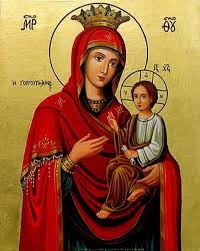
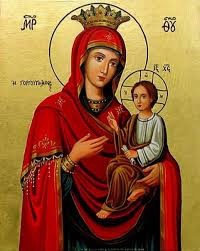
🎉 What Exactly Are Namedays?
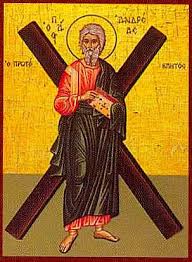
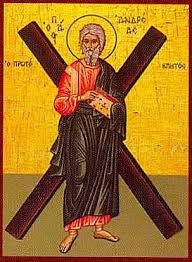
A nameday is celebrated on the feast day of the saint that a person is named after. For example, if someone is named Andreas, their nameday is celebrated on November 30th, the feast of Saint Andrew the Apostle.
This tradition is tied to the Orthodox Christian calendar, which assigns feast days to hundreds of saints throughout the year. Since many Cypriots are named after saints or religious figures, it means almost everyone has a special day to celebrate.
👉 Unlike birthdays, which are private and family-centered, namedays are more social and communal. Friends, relatives, neighbors, and colleagues are expected to remember your nameday and offer their wishes.
🛐 The Religious Roots of Namedays
Namedays stem from the Eastern Orthodox Church’s veneration of saints. Each saint’s feast day commemorates either their martyrdom, a miracle they performed, or a significant event in their life.
Cyprus, being one of the earliest Christian countries (with traditions dating back to Saint Paul and Saint Barnabas in the 1st century AD), places strong emphasis on these commemorations. That’s why so many villages, churches, and families proudly carry saintly names.
Villages are often named after saints (e.g., Agios Dometios, Agia Napa, Agios Tychonas).
Churches hold special services on the feast day of their patron saint.
Families celebrate at home by welcoming guests, much like an “open house.”
🎁 How Cypriots Celebrate Namedays
Nameday celebrations vary depending on the family, but there are common traditions you’ll notice:
Open House Tradition: The person celebrating (called the “honoree”) usually keeps their home open to guests all day. Friends, family, and neighbors stop by to offer their wishes.
Wishes: Common greetings include “Na zisete!” (May you live long) or “Na ton/ti haireste!” (May you be happy with him/her).
Treats: Guests are offered loukoumia (Cyprus delights), pastries, chocolates, or drinks. Coffee is almost always served.
Church Services: Many people attend a liturgy in honor of their saint. Some will donate to the church or light candles.
Workplace Celebrations: In offices and shops, it’s common for the person celebrating to bring treats for colleagues.
👉 Unlike birthdays, gifts are not mandatory. A visit, phone call, or even a message is considered enough.
📅 Famous Namedays in November
November is a particularly important month for namedays in Cyprus.
November 21st – Maria
One of the most celebrated namedays in Cyprus and Greece.
It commemorates the Presentation of the Virgin Mary (Eisodia tis Theotokou).
Churches hold special liturgies, and it is a day of great religious significance.
Women named Maria, Marianna, Marilena, Mary, and Panayiota (in some cases) celebrate.
Families often gather for festive meals, and it marks the beginning of the Christmas season atmosphere
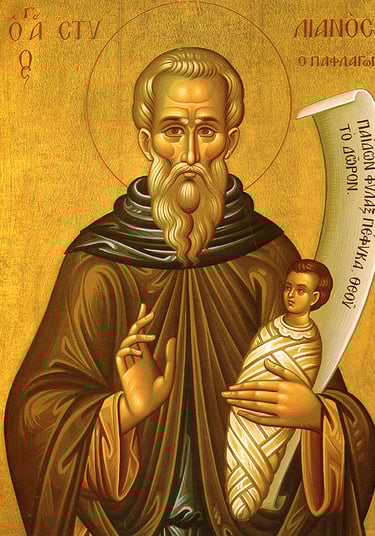
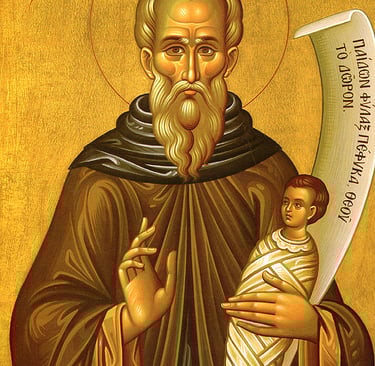
November 26th – Stylianos
Saint Stylianos is remembered as the protector of children.
Families often name boys Stylianos or Stylianou, and in his honor, parents bring children to church for blessings.
It is a day associated with care for the young and family togetherness.
November 30th – Andreas
Perhaps the most significant nameday in Cyprus.
Saint Andrew the Apostle is considered the patron saint of Cyprus.
The Monastery of Agios Andreas in the Karpasia Peninsula (in the occupied area) is one of the island’s most famous pilgrimage sites. Even today, many Cypriots travel there to honor his memory.
Anyone named Andreas or Androulla (the feminine form) celebrates this day, making it one of the busiest namedays of the year.
👉 These two namedays are so widespread that in late November, it’s almost impossible not to know someone celebrating!
🌍 The Most Popular Namedays in Cyprus
Beyond November, here are some of the most common namedays celebrated across the island:
Maria – August 15th (Dormition of the Virgin Mary)
George (Giorgos/Georgia) – April 23rd (Saint George)
Christos/Christina – December 25th (Christmas Day)
Eleni (Helen) – May 21st (Saints Constantine & Helen)
Nicolas – December 6th (Saint Nicholas, protector of sailors)
Cyprus has such strong ties to the Orthodox Church that you’ll find multiple feast days for some names (especially Mary, which has several).
🚗 Experiencing Namedays as a Visitor
If you’re a tourist or expat in Cyprus, namedays offer a unique cultural experience. Here’s how you might encounter them:
Invitations: Don’t be surprised if you’re invited into someone’s home to celebrate, even as a visitor. Cypriot hospitality is legendary.
Village Feasts: Many villages hold festivals on their saint’s day, complete with food stalls, music, and traditional dancing.
Church Services: Attending a service on a saint’s feast day gives you a glimpse into the spiritual side of Cypriot life.
Local Atmosphere: Streets, shops, and even workplaces will feel different — warm, festive, and welcoming.
Having a rental car makes it easy to visit different communities celebrating their patron saint, especially in the countryside. For example, a November trip could combine visits to villages celebrating Stylianos and a road trip to Paphos or Karpasia for Saint Andrew.
🛑 Tips for Tourists During Namedays
Learn a Greeting: Saying “Chronia Polla” (Many Happy Years) always makes Cypriots smile.
Bring a Small Gift: If invited to someone’s home, a box of sweets, flowers, or wine is always appreciated.
Respect Traditions: In church settings, modest dress is expected.
Check Local Calendars: Municipalities often publish programs of events tied to saints’ feast days.
✨ Final Thoughts
Namedays in Cyprus are more than a religious tradition — they are a living part of daily culture that emphasize hospitality, family, and community.
If you’re in Cyprus this November, you’ll witness two of the biggest namedays of the year: Stylianos (Nov 26th) and Andreas (Nov 30th). Don’t miss the chance to see how locals celebrate, visit a church service, or even join a family gathering.
👉 Planning to explore Cyprus in November? Rent your car with us and discover how nameday traditions bring the island’s villages and families to life.




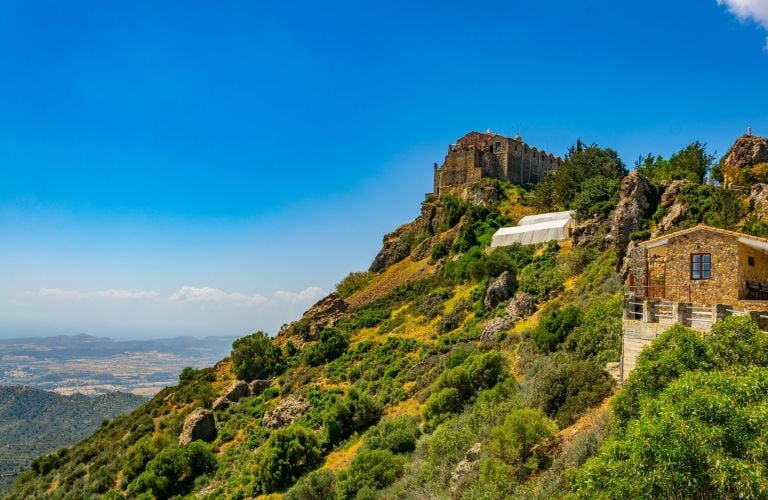
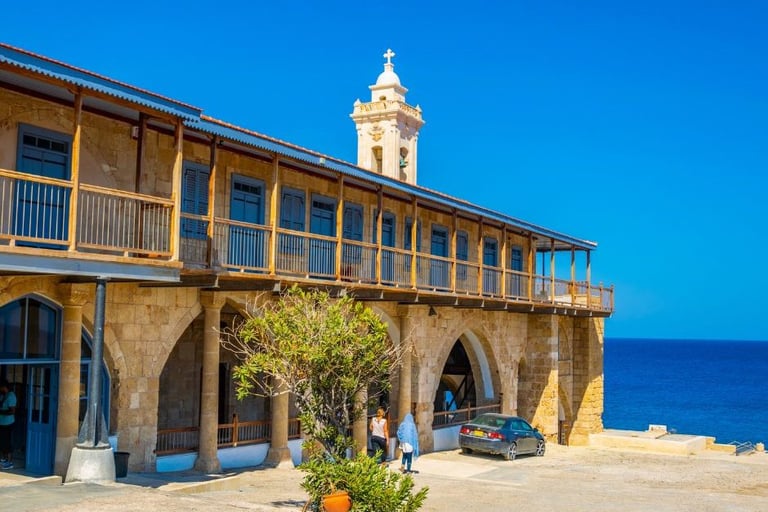
Stavrovouni Monastery on the left and Apostole Andreas Monastery on the right (in the occupied area)
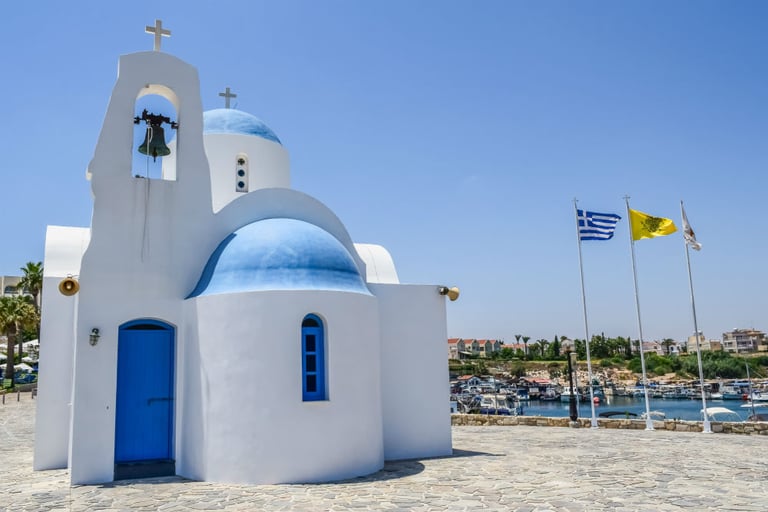
Saint Nicolas Church (Nameday on December 6th) in Protaras